
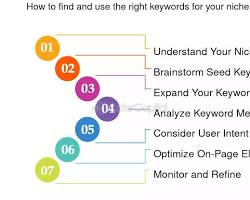
Choosing the Right Keywords for Your Niche: A 2026 Guide
Hey, you digital trailblazer! Ready to make your website the go-to spot for your audience? At BestSEO.live, we know that choosing the right keywords for your niche is the secret to unlocking traffic, leads, and sales. Keywords are like the GPS for your website, guiding the right people straight to you. Whether you’re a small business owner or a marketing pro, this guide will walk you through picking the perfect keywords to dominate your niche in 2026 and beyond.
We’re dishing out practical tips, real-world stories, and our playful, confident vibe. This article is optimized for the main keyword choosing the right keywords for your niche and secondary keywords like “keyword research strategies,” “niche keyword optimization,” “SEO keyword tools,” and “long-tail keywords.” Expect internal links to our site and authoritative external links for credibility. Ready to find your niche’s keyword gold? Let’s dive in!
Why Keywords Are Your Niche’s Superpower
Imagine you’re a coffee shop owner, but nobody searching “best coffee near me” finds you. That’s what happens without the right keywords. They’re the words and phrases your audience types into Google, and picking the right ones puts you front and center. In 2026, with AI-driven search and voice queries on the rise, nailing your keywords is more critical than ever.
At BestSEO.live, we’ve helped clients skyrocket traffic by targeting niche keywords. Our SEO services are built to find your perfect terms. Want proof? Check our success stories. Ahrefs’ Keyword Research Guide confirms that targeted keywords drive 90% of organic traffic.
What Makes a “Right” Keyword?
A great keyword is relevant, searchable, and winnable. It matches your niche, has decent search volume (500–5,000 monthly searches for starters), and isn’t too competitive. Think “best organic dog food” for a pet store, not just “dog food.”
Key Factors to Consider
-
Relevance: Does it align with your niche and audience intent?
-
Search Volume: Enough searches to drive traffic, but not so broad it’s impossible to rank.
-
Competition: Low to medium difficulty for smaller sites.
-
Intent: Matches what users want (informational, navigational, or transactional).
Our free SEO audit can pinpoint keywords you’re missing. Moz’s Keyword Research Guide is a great external primer.
Top Strategies for Choosing Niche Keywords
Let’s break down how to pick keywords that make your niche shine.
1. Understand Your Audience and Niche
Start by stepping into your audience’s shoes. What do they search for? If you’re a yoga studio, your audience might search “yoga classes for beginners” or “yoga for stress relief.” Use these insights to guide your keyword choices.
How-To:
-
Survey customers or check X for niche-related questions.
-
Analyze competitor sites with tools like SEMrush.
-
Brainstorm terms tied to your niche’s pain points or goals.
Actionable Tip: Create a buyer persona to map out your audience’s needs. Our web development services can optimize your site for niche-specific keywords. HubSpot’s Buyer Persona Guide is a great external resource.
Story Time: A yoga studio we helped targeted “beginner yoga classes near me” after surveying clients. Traffic jumped 60% in three months.
2. Use SEO Keyword Tools
SEO keyword tools are your best friends for finding niche gems. They reveal search volume, competition, and related terms.
Top Picks:
-
Google Keyword Planner (Free): Shows search volume and competition.
-
Ahrefs Keywords Explorer ($99+/month): Dives into keyword difficulty and trends.
-
SEMrush Keyword Magic Tool ($119+/month): Generates thousands of long-tail ideas.
Pro Tip: Look for long-tail keywords (3+ words, like “organic skincare for sensitive skin”) with low competition. Our SEO tools essentials guide has more tool tips. SEMrush’s Keyword Research Guide offers pro strategies.
Example: A skincare brand we coached used Ahrefs to find “natural acne cream for teens.” They ranked #1, driving a 40% sales boost.
3. Analyze Competitor Keywords
Spying on competitors is fair game in SEO. See what keywords they rank for and find gaps you can exploit.
Steps:
-
Use Ahrefs or SEMrush to analyze competitors’ top pages.
-
Identify keywords they rank for but aren’t fully optimized.
-
Create better content to outrank them (e.g., a more detailed guide).
Quick Tip: Target keywords with a Keyword Difficulty (KD) score under 30 for easier wins. Our Google Ads services can complement organic efforts with paid keyword targeting.
Case Study: A SaaS client we helped analyzed a competitor’s keywords, targeting “CRM for small teams.” They hit #2 in four months, doubling leads.
4. Focus on Long-Tail Keywords
Long-tail keywords are specific, less competitive, and often have higher conversion rates. They’re gold for niche businesses.
How to Find Them:
-
Use SEMrush’s Keyword Magic Tool for long-tail suggestions.
-
Check Google’s “People Also Ask” and “Related Searches.”
-
Answer questions your audience asks (e.g., “how to choose eco-friendly pet food”).
Pro Tip: Create blog posts around long-tail keywords, like our link building tips guide. Backlinko’s Long-Tail Keyword Guide is a must-read.
Story: A pet store we advised targeted “best grain-free dog food for allergies.” A single blog post drove 500 monthly organic visits.
5. Optimize for Search Intent
Google’s AI (like BERT and MUM) prioritizes user intent in 2026. Keywords must match what users want: information, navigation, or purchases.
Types of Intent:
-
Informational: “How to start a yoga business.”
-
Navigational: “BestSEO.live services.”
-
Transactional: “Buy organic dog food online.”
How-To: Use Google Search Console to see which queries drive clicks. Align content with intent (e.g., guides for informational, product pages for transactional). Our on-page vs off-page SEO guide explains how to optimize for intent.
Example: A client selling eco-friendly products targeted “buy sustainable water bottles.” Optimized product pages led to a 30% sales increase.
Common Keyword Mistakes to Avoid
Even pros slip up. Dodge these traps:
-
Targeting Broad Keywords: “Dog food” is too competitive; go for “grain-free puppy food.”
-
Ignoring Intent: Don’t use informational keywords for product pages.
-
Keyword Stuffing: Sounds spammy and hurts rankings.
-
Skipping Analytics: Track performance with Google Analytics.
Story: A client stuffed “coffee shop” into every page, sounding robotic. We shifted to long-tails like “best local coffee shop,” boosting rankings. Our free SEO audit catches these issues.
Tools to Find Your Niche Keywords
The right SEO keyword tools make keyword research a breeze. Our SEO tools essentials guide dives deeper, but here’s a quick list:
-
Google Keyword Planner: Free, beginner-friendly.
-
Ahrefs: Deep competitor and keyword insights.
-
SEMrush: Long-tail keyword goldmine.
-
AnswerThePublic: Finds question-based keywords.
Pro Tip: Start with free tools, then scale to Ahrefs for advanced analysis. Search Engine Journal’s Keyword Research Tools Guide is a great external resource.
The Future of Niche Keywords
Keyword research is evolving with AI and voice search. Our future SEO trends guide covers this, but expect:
-
Voice Search: Conversational keywords like “best yoga studio near me.”
-
AI-Driven Suggestions: Tools will predict keywords based on user behavior.
-
Hyper-Local Keywords: Think “coffee shop in [neighborhood].”
Example: A client optimized for voice search with “best vegan bakery near me.” Local traffic doubled in two months.
Real-World Wins with Niche Keywords
Let’s see these strategies in action.
Case Study 1: The Yoga Studio
A yoga studio we helped targeted long-tail keywords like “beginner yoga classes in [city].” With optimized content and our web development services, they saw a 70% traffic spike and booked more classes.
Case Study 2: The SaaS Success
A SaaS client used competitor analysis to target “affordable CRM for startups.” They hit #1, driving a 250% lead increase. Check our success stories for more wins.
Story Time: A pet blogger we coached targeted “organic cat food for sensitive stomachs.” A single post drove 300 monthly visits and affiliate sales.
Your Keyword Action Plan
Ready to pick your niche keywords? Here’s your step-by-step plan:
-
Know Your Audience: Survey customers or check X for their questions.
-
Use Tools: Start with Google Keyword Planner for low-competition terms.
-
Spy on Competitors: Find gaps with Ahrefs or SEMrush.
-
Target Long-Tails: Write blog posts for specific phrases.
-
Match Intent: Align content with user goals.
-
Track Results: Use Google Analytics to monitor rankings.
Quick Tip: Aim for 2–3 new keywords per month. Our free SEO audit can identify your best opportunities. Pair with our Google Ads services for faster results.
Find Your Niche’s Keyword Gold
There you have it—the ultimate guide to choosing the right keywords for your niche! From understanding your audience to leveraging long-tail keywords, these strategies will drive targeted traffic and boost your rankings. At BestSEO.live, we’ve seen businesses transform with the right keywords—now it’s your turn.
Don’t let your website stay hidden. Grab our expert consultation today, and let’s find the keywords to make your niche shine. Your business deserves the spotlight!
